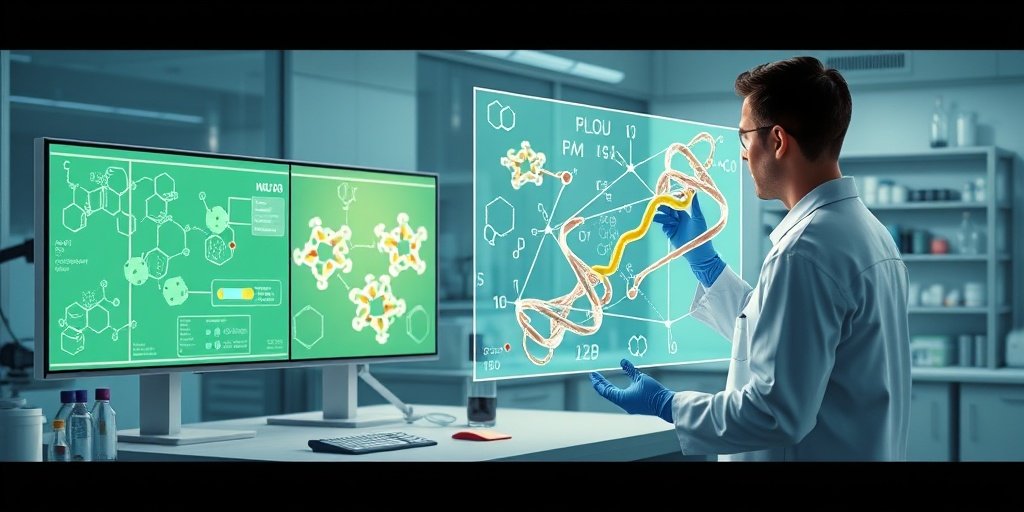
Advances in Fragment-based Drug Design: Lessons and Innovations from the Post-COVID Drug Discovery Landscape.
Fragment-based drug design revolutionizes drug discovery, enhancing speed and efficiency post-COVID. Key insights from recent research. 💊🔬

Fragment-based drug design revolutionizes drug discovery, enhancing speed and efficiency post-COVID. Key insights from recent research. 💊🔬
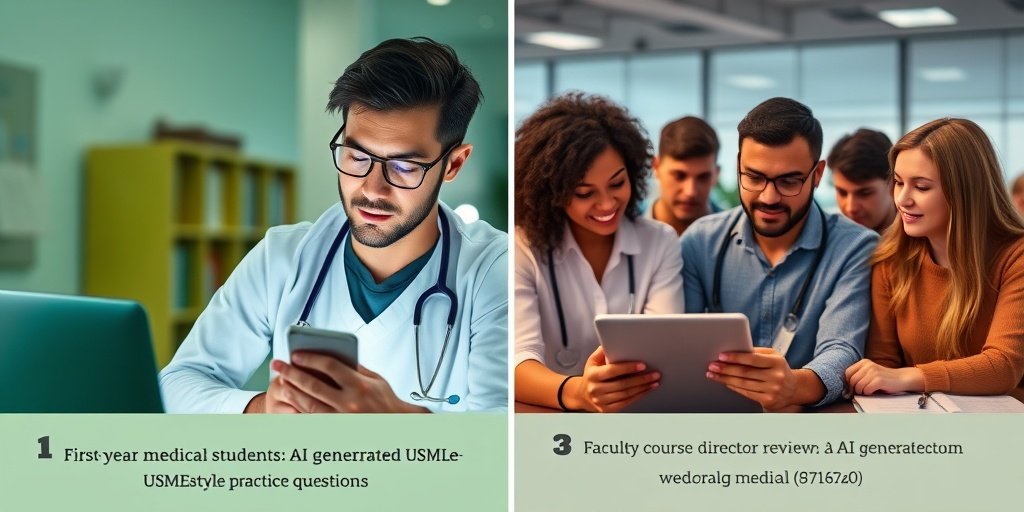
AI-generated USMLE practice questions show 87% accuracy, enhancing medical education access for underrepresented students. 📚🤖
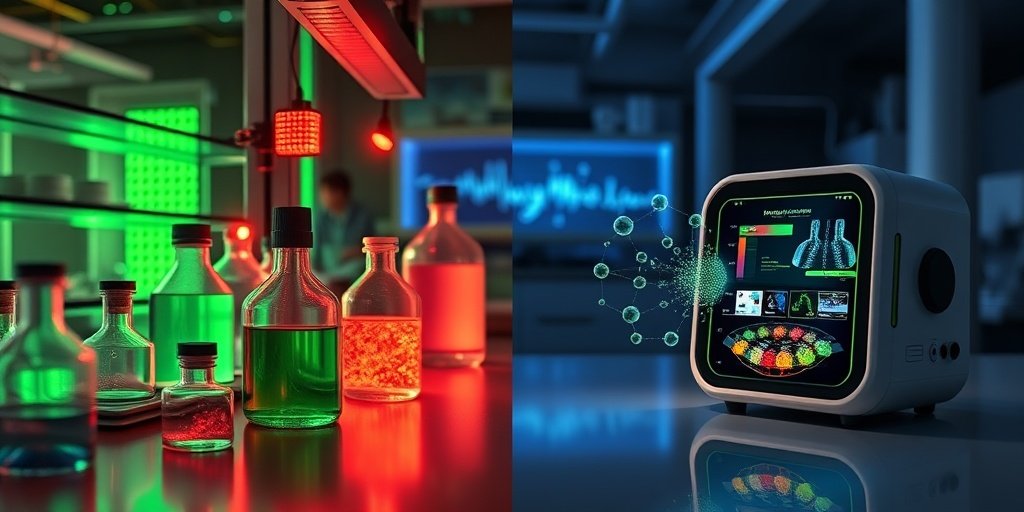
Recent advances in reticular frameworks enhance food safety by detecting biogenic amines rapidly and cost-effectively. 🍽️🔬

Machine learning predicts pile displacements effectively! 📊 AdaBoost-BP model outperforms BP model in accuracy. Key factors: distance, angle, moisture. 🌍
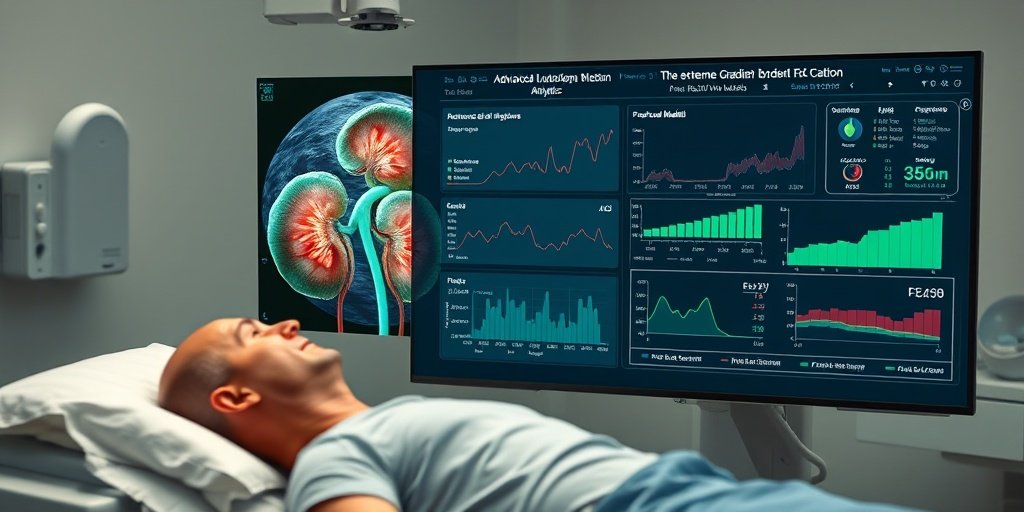
Machine learning predicts renal cell carcinoma with 95.5% AUC using 21 clinical variables. Early detection improves patient outcomes! 📊🔍
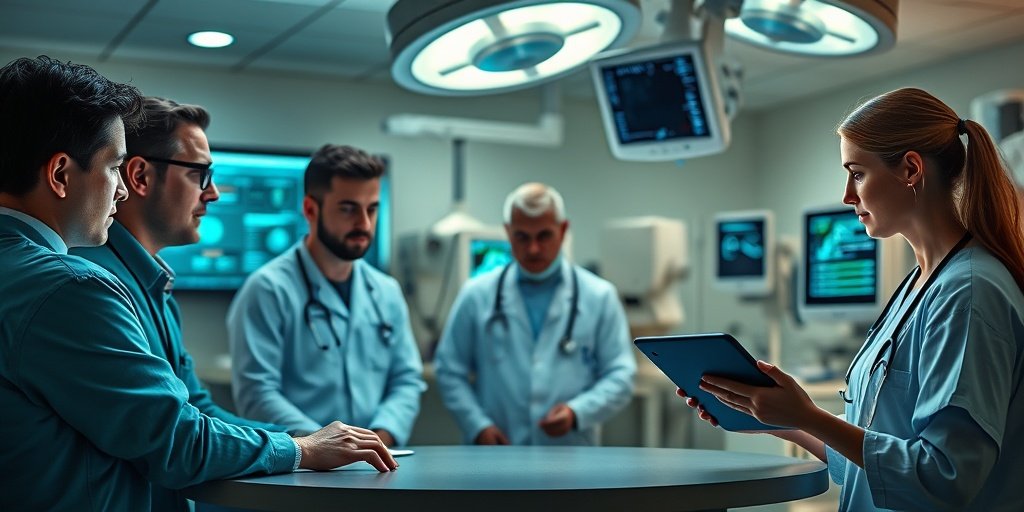
AI in healthcare workflows: 14 professionals shared insights on CDSS impact, revealing 61 core ideas for effective integration. 🤖💉
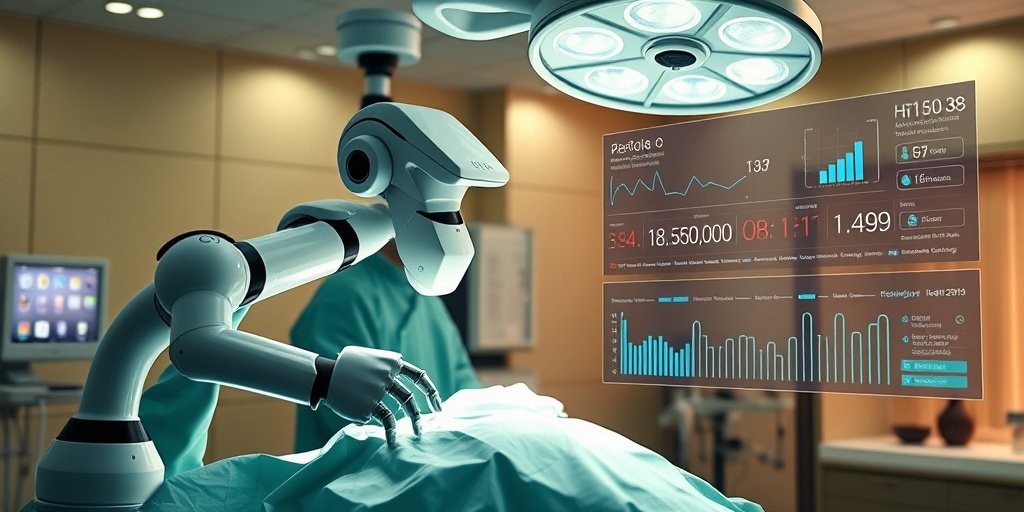
Breast cancer innovations: AI, multi-omics, and personalized therapies enhance treatment precision and patient outcomes. 📈💉
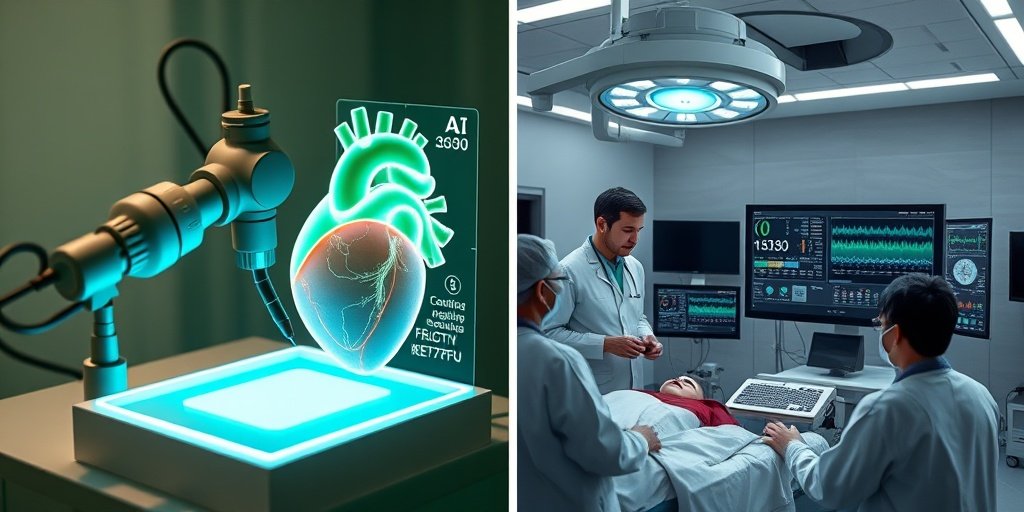
Biatrial cardioneuroablation shows promise for vagal bradyarrhythmias, improving symptoms in 12 patients over 12 months. 📈💓
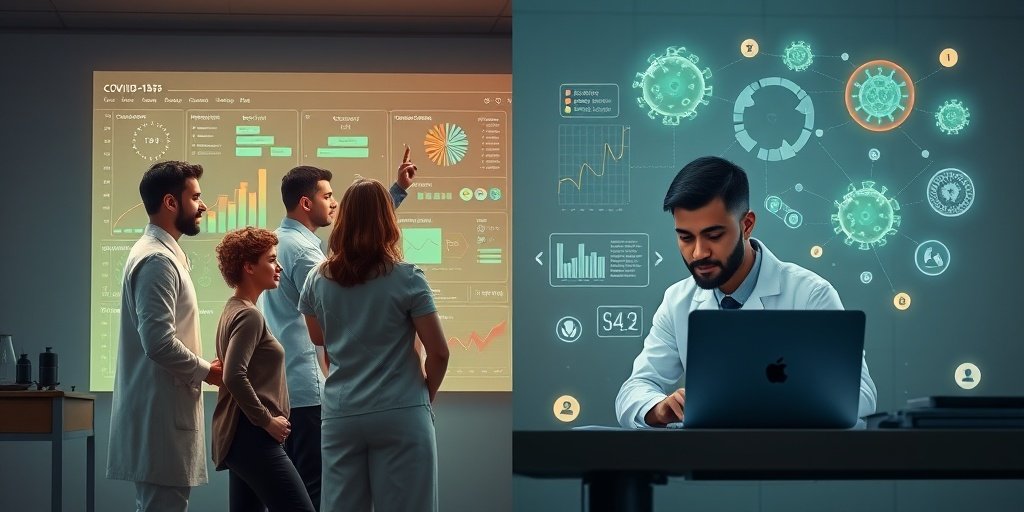
Data science in public health: 112 projects, 54% visualization, 42% AI/ML growth from 33% to 56% (2019-2023). 📊💻
Eolas Medical raises £9 million to enhance its clinical knowledge platform, improving decision-making for healthcare professionals. 💰📈