
Patient Perspectives on Medical AI: Insights from a Global Study
Global study reveals patient attitudes toward medical AI. 57.6% view it positively, but health status influences acceptance. 🤖💉

Global study reveals patient attitudes toward medical AI. 57.6% view it positively, but health status influences acceptance. 🤖💉

Machine learning predicts cancer patient mortality dynamics, revealing three clinical patterns and key lab parameters. 📊💡

Digital cognitive assessments reveal modest practice effects, impacting response times in cognitive monitoring. Key findings from DANA study. 📊🧠

Exploring NPM1-mutated AML: MRD detection methods, AI’s role, and challenges in clinical integration. 🧬🔬

New AI tools from Penn enhance kidney disease treatment by analyzing cellular data for personalized therapies. 🧬💊

AI aids in designing nanoparticles for RNA vaccine delivery, enhancing efficiency and potential treatments for various diseases. 🧬💉

Lung lobe segmentation tools evaluated: TotalSegmentator excels, while data diversity enhances model accuracy. 📊🫁

AI model enhances diaphragm function in elderly patients, achieving 92.3% accuracy. Significant implications for critical care interventions. 🤖💡

NHS’s 10-Year Health Strategy aims for digital transformation, enhancing patient care and operational efficiency. 📈💻
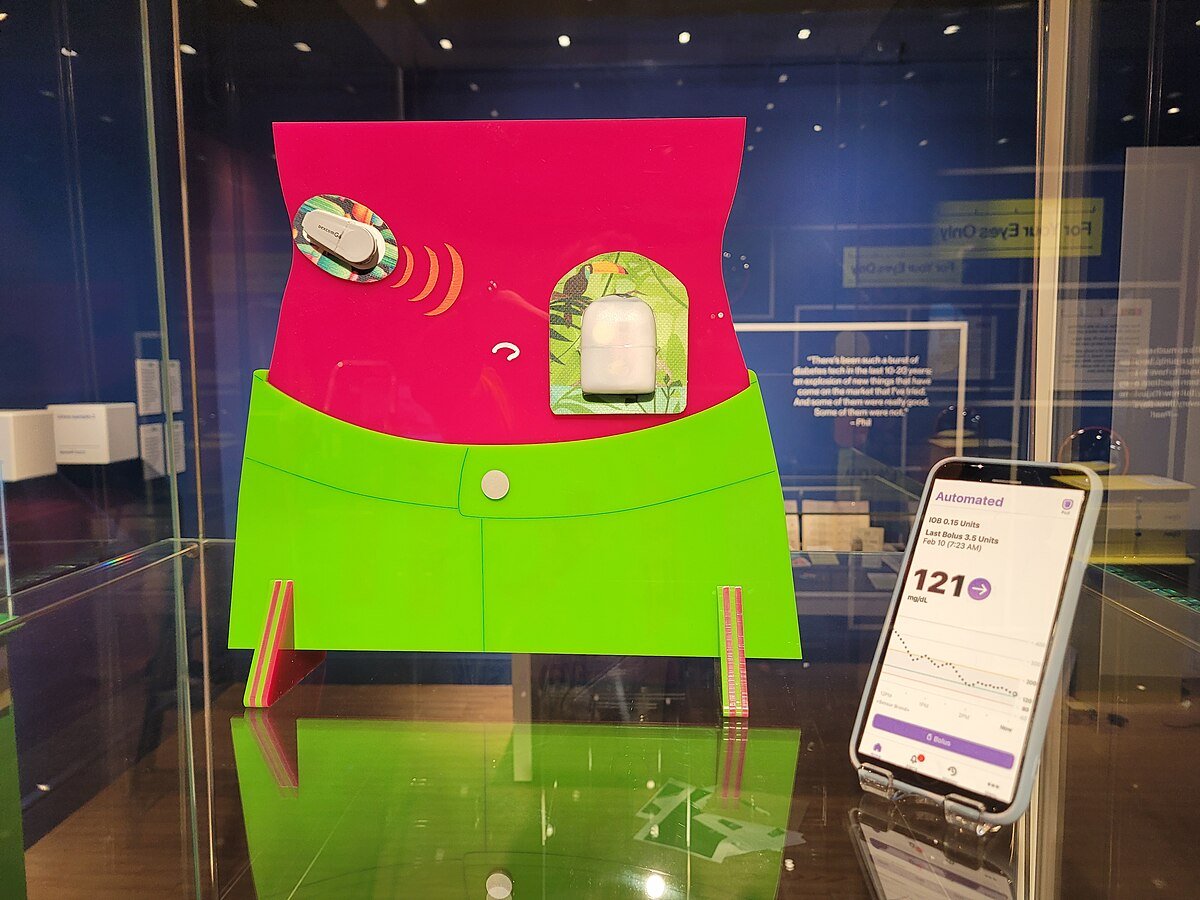
Advancements in artificial pancreas technology aim to enhance diabetes management through full automation and AI integration. 🤖💉