
An emerging view of neural geometry in motor cortex supports high-performance decoding.
Recent research highlights MINT, a decoder that enhances brain-computer interface performance by aligning with neural geometry. 🧠✨

Recent research highlights MINT, a decoder that enhances brain-computer interface performance by aligning with neural geometry. 🧠✨
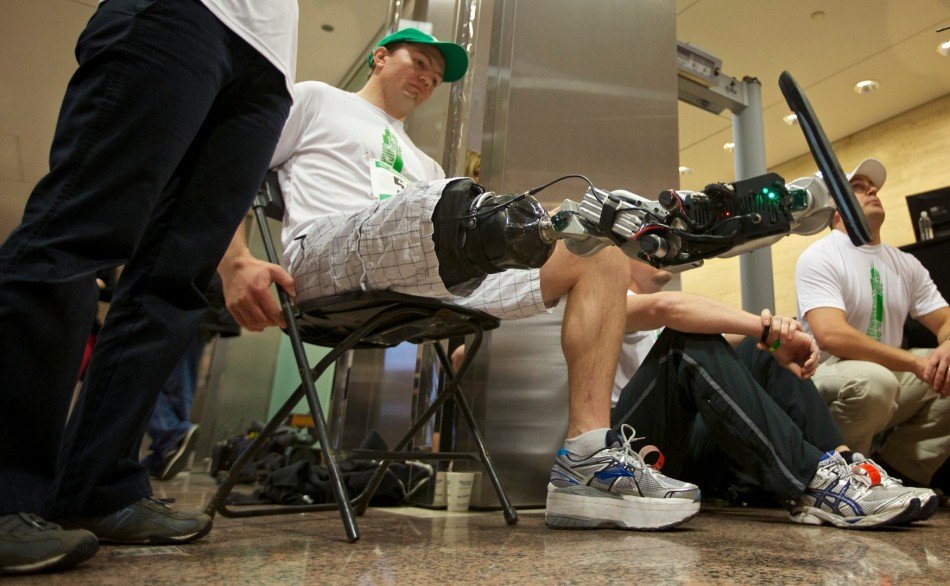
New research advances artificial touch for bionic hands, enabling users to feel shapes and movements. 🤖✨
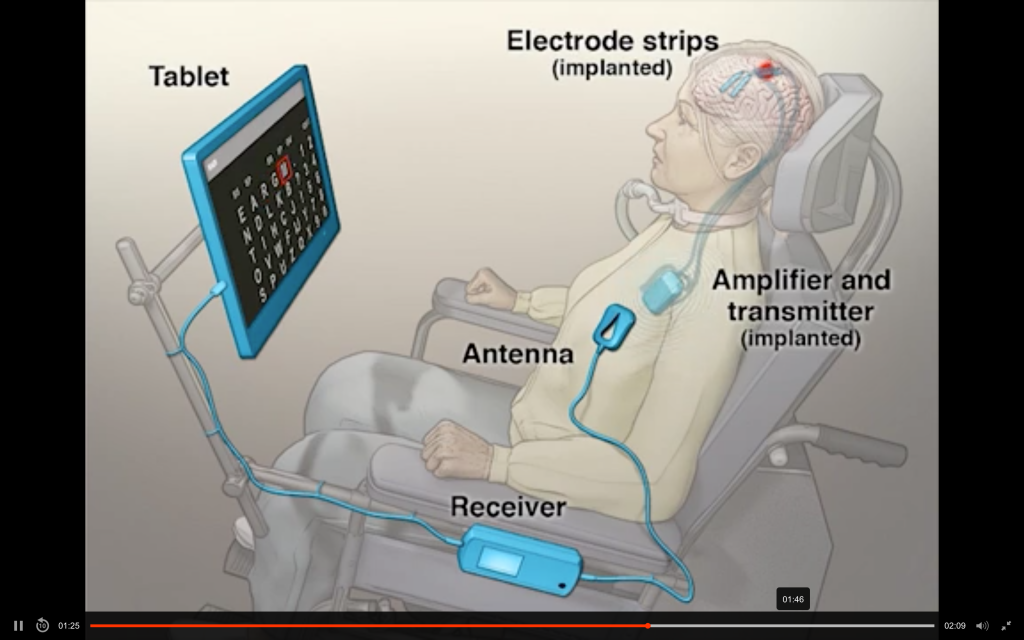
NHS to trial brain implant for neurological disorders. 🧠 Ultrasound technology aims to treat conditions like depression and addiction. 🔬

Robeauté raises £23 million for microrobots in neurosurgery. These tiny robots aim to improve brain treatment and monitoring. 🧠🤖

A comprehensive geodatabase reveals insights on cardiovascular health and environmental factors in Mashhad, Iran. 🌍❤️📊

Health Tech Insights: Expectations for 2025 📊
Anticipation grows for NHS digital health advancements, focusing on data-driven care, integrated systems, and AI innovations. 🏥✨

This article explores EEG-based emotion recognition using advanced techniques, achieving up to 100% accuracy. 🧠📊
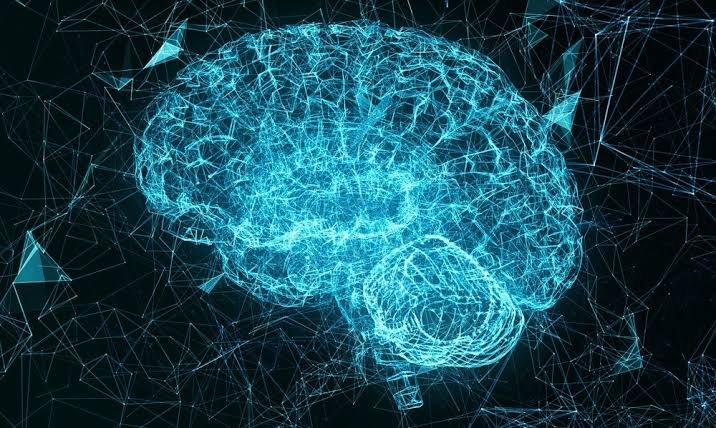
AI outperforms human experts in predicting neuroscience study outcomes, achieving 81% accuracy compared to 63% for humans. 🤖📊
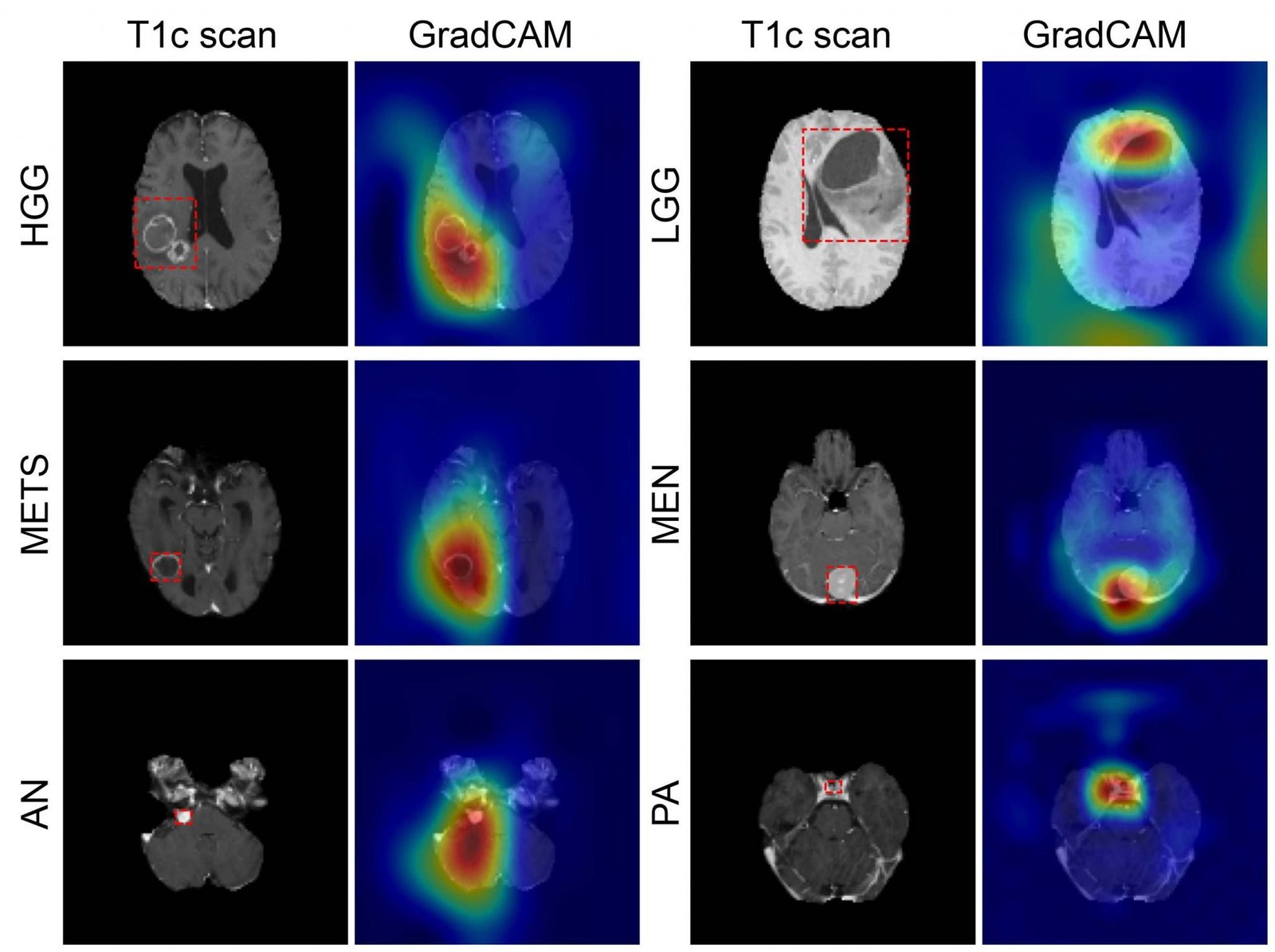
AI models show potential in detecting brain tumors from MRI scans, achieving high accuracy rates. 🤖🧠

A novel deep learning framework, R-DLH2O, enhances cardiovascular crisis prediction using robust data processing techniques. 📊❤️