Overview
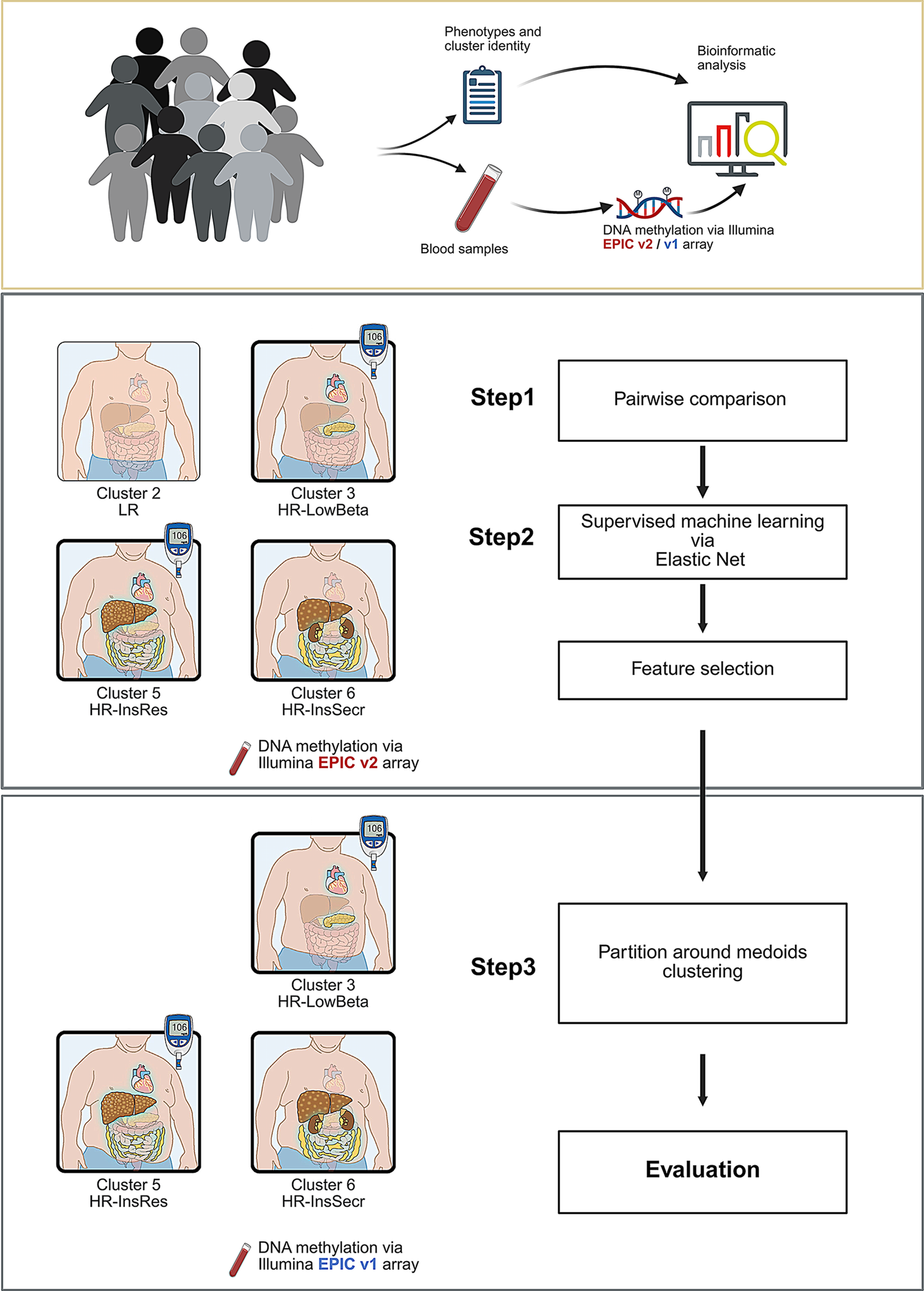
Prediabetes is a complex metabolic disorder characterized by significant variability among individuals. Researchers from the German Center for Diabetes Research (DZD) have utilized artificial intelligence (AI) to discover epigenetic markers that can indicate a heightened risk of complications. A straightforward blood test may soon be able to identify those at high risk of developing type 2 diabetes and its associated complications early on. This study illustrates the synergy between data-driven methodologies and molecular medicine in enhancing diagnostic processes.
Key Findings
- Identification of six distinct prediabetes clusters, with three categorized as high-risk for type 2 diabetes and complications.
- Development of a machine learning workflow that utilizes DNA methylation profiles from blood samples to differentiate between these clusters.
- In a discovery cohort of 187 individuals, 1,557 CpG sites were identified as predictors for the various clusters.
- In an independent replication cohort of 146 individuals, the model achieved an accuracy of 92% in distinguishing high-risk clusters.
- Specific CpG sites were linked to biological pathways associated with metabolic deterioration, highlighting the potential for these markers to predict future complications.
Implications
The findings suggest that blood-based epigenetic markers could serve as effective proxies for assessing diabetes risk, potentially making extensive clinical evaluations unnecessary. This approach could facilitate the identification of high-risk individuals within larger populations, paving the way for targeted prevention strategies.
Future Directions
The next steps involve refining the marker set to enhance cost-effectiveness and practicality for routine diagnostics. The ultimate goal is to develop a dedicated analysis tool that can be widely implemented, moving towards a more personalized approach to diabetes prevention based on measurable biological indicators.