Overview
Artificial intelligence (AI) and advanced “protein language” models are being utilized to accelerate the design of monoclonal antibodies aimed at preventing or mitigating severe viral infections. This breakthrough comes from a collaborative study led by researchers at Vanderbilt University Medical Center, published in the journal Cell.
Key Findings
- The study focuses on developing antibody therapeutics against both existing and emerging viral threats, such as respiratory syncytial virus (RSV) and avian influenza.
- Dr. Ivelin Georgiev, the corresponding author, emphasizes the potential of using computers to design novel biologics efficiently.
- AI-driven approaches could significantly impact public health, with applications extending to various diseases, including cancer and neurological disorders.
Research Insights
Dr. Georgiev, who leads the Vanderbilt Program in Computational Microbiology and Immunology, is also the principal investigator of a $30 million grant from the Advanced Research Projects Agency for Health (ARPA-H) aimed at developing novel therapeutic antibodies.
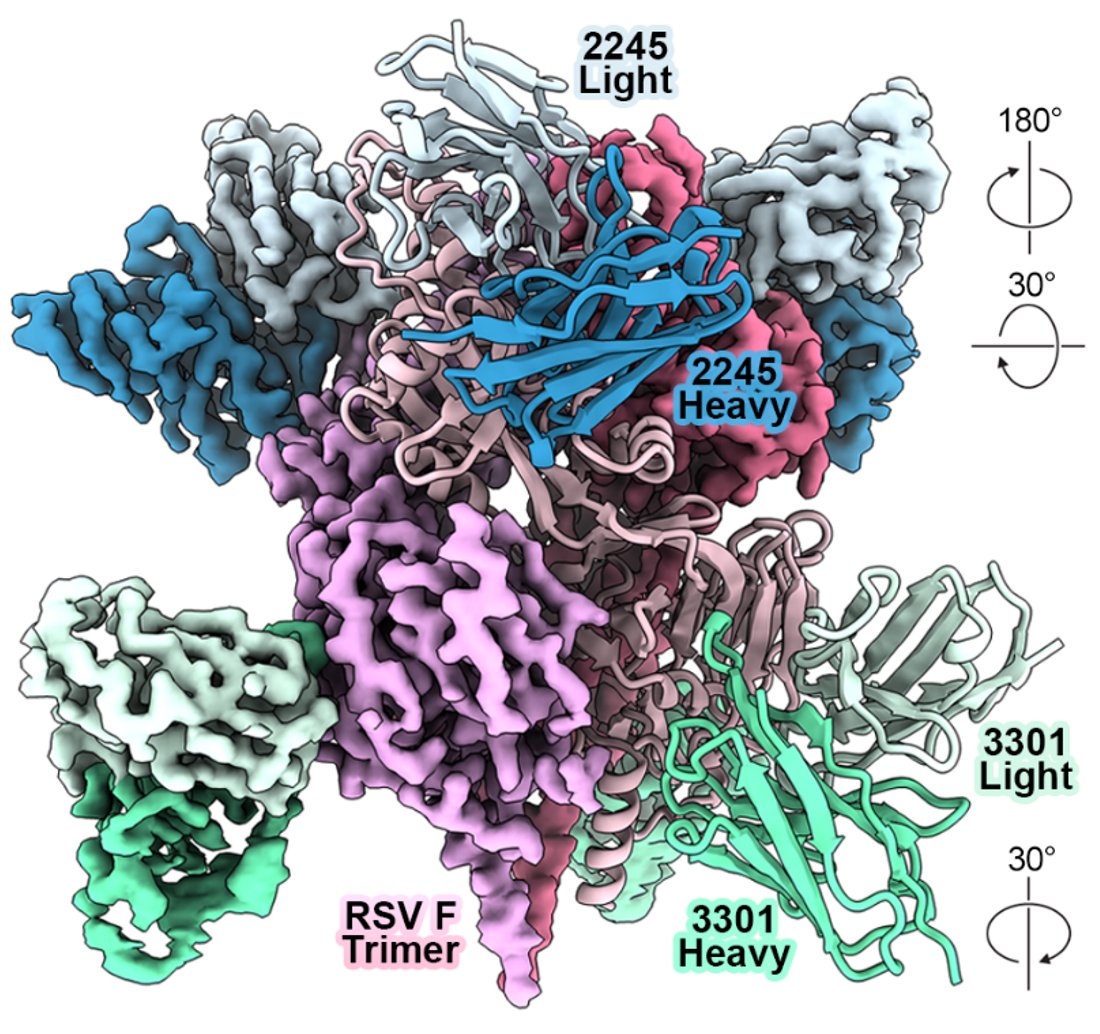
The research team, which included scientists from the U.S., Australia, and Sweden, demonstrated that a protein language model could create functional human antibodies that target specific viral antigens without needing a starting template from existing antibody sequences.
Methodology
The researchers trained their protein language model, named MAGE (Monoclonal Antibody Generator), on previously characterized antibodies against a known strain of the H5N1 influenza virus. This training enabled the generation of antibodies against a related but previously unseen influenza strain.
Conclusion
The findings suggest that MAGE could facilitate the rapid generation of antibodies against emerging health threats, outperforming traditional methods that rely on blood samples or antigen proteins from infected individuals.
References
For further details, refer to the original study: Generation of antigen-specific paired-chain antibodies using large language models published in Cell.