Yusuf Yesil, MD, MIS
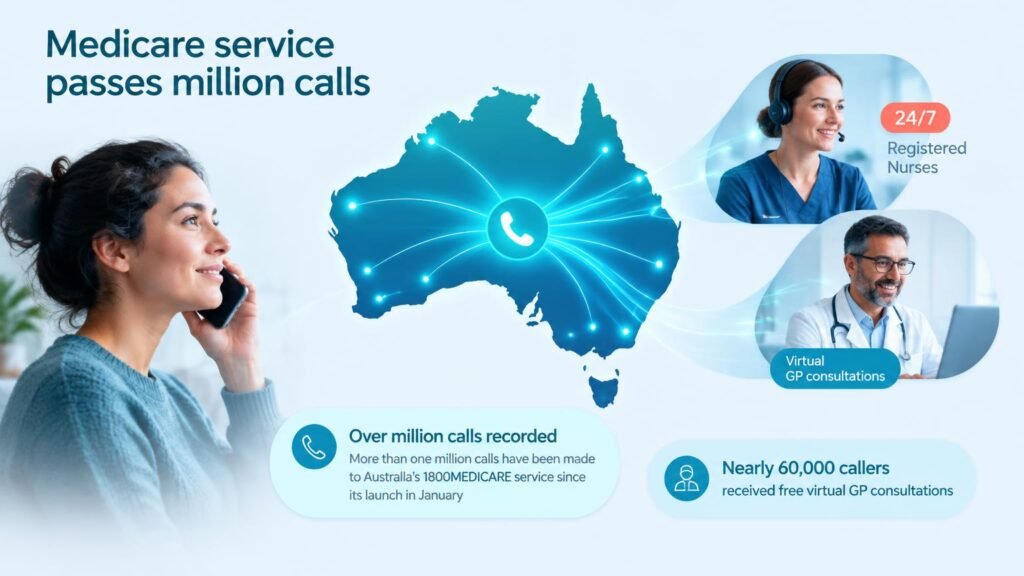
Hospital emergency departments face constant overload from low-acuity cases. When patients lack immediate access to advice, they default to calling emergency services or showing up at acute care wards. A centralized phone triage service has now logged over one million calls in ten months, offering a structural alternative.
Diverting Patient Triage
The Australian federal government invested over $200 million into 1800MEDICARE to connect callers directly with registered nurses around the clock. The operational results show clear shifts in utilization. Nearly 60,000 callers received free virtual general practitioner consultations. More than 170,000 callers were diverted away from emergency departments or emergency call lines.
Roughly 10% of callers were redirected to local Medicare Urgent Care Clinics instead of hospital wards. Human-led clinical triage provides a critical buffer for stretched health systems.
System Complement, Not Replacement
Virtual triage reduces immediate acute burden, but it has limits. Remote triage does not replace ongoing longitudinal care from a regular general practitioner. High call volumes demonstrate demand for immediate access, not necessarily resolved chronic outcomes. Phone triage works as a safety net, not a substitute for primary care networks.
Health systems evaluating digital and phone front-doors must pair immediate triage infrastructure with robust community clinic funding to ensure redirected patients receive long-term follow-up.