
Automating the front lines of Medicare enrollment proves that conversational AI can handle administrative scale, but it also exposes the limits of human-led triage.
During the high-stakes 54-day Medicare open enrollment period, insurance brokers face a brutal operational bottleneck. Call volumes spike, wait times soar, and human staff spend critical hours on basic screening rather than closing complex enrollments. This administrative friction costs sales and exhausts staff.
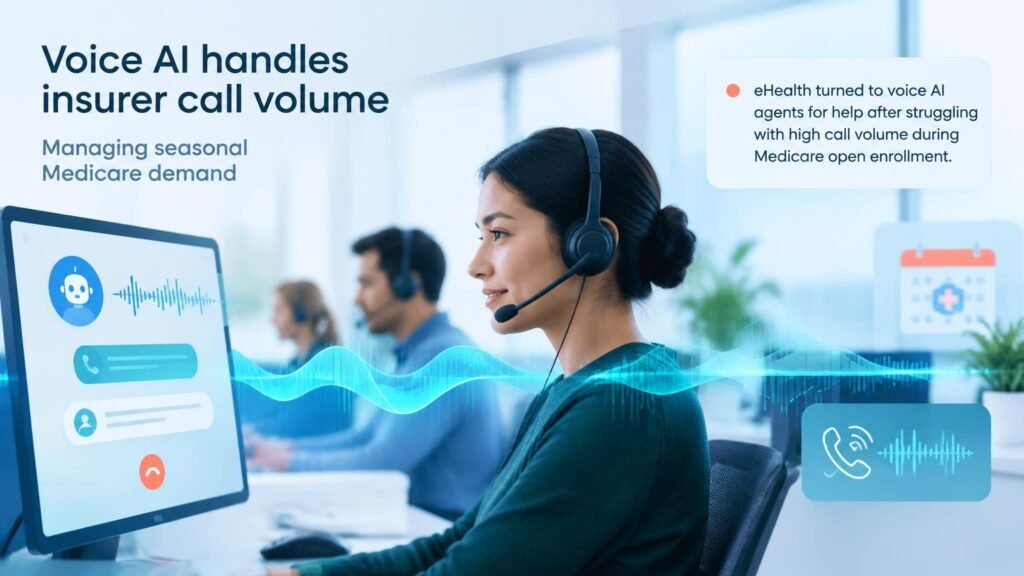
To break this bottleneck, eHealth deployed a voice AI agent to prescreen callers and manage after-hours traffic. The automated agent achieved a 100% answer rate and drove a 27% increase in purchase interest compared to human screeners. The pilot was successful enough that the company expanded the AI’s role to handle post-enrollment billing and application tracking.
The Shift to Automation
This transition signals a fundamental shift in healthcare administration. By offloading routine triage, organizations can reserve human staff for high-value, complex consultations. It challenges the assumption that healthcare consumers, especially seniors, will reject automated voice systems.
Yet, the technology has clear limits. A 77% customer satisfaction rating indicates that nearly a quarter of callers experienced friction or preferred human interaction. Automated triage works well for simple routing, but it cannot replace the nuanced empathy required when patients face coverage denials or complex medical billing crises.
The Practical Takeaway
The practical takeaway is clear. Voice AI is ready to scale administrative triage, but it must not be used as a barrier to human support. Organizations must design instant escalation paths to human agents to prevent customer frustration from erasing operational gains.