

New rules for clinical artificial intelligence reveal a deeper struggle between technological efficiency and systemic healthcare underfunding.
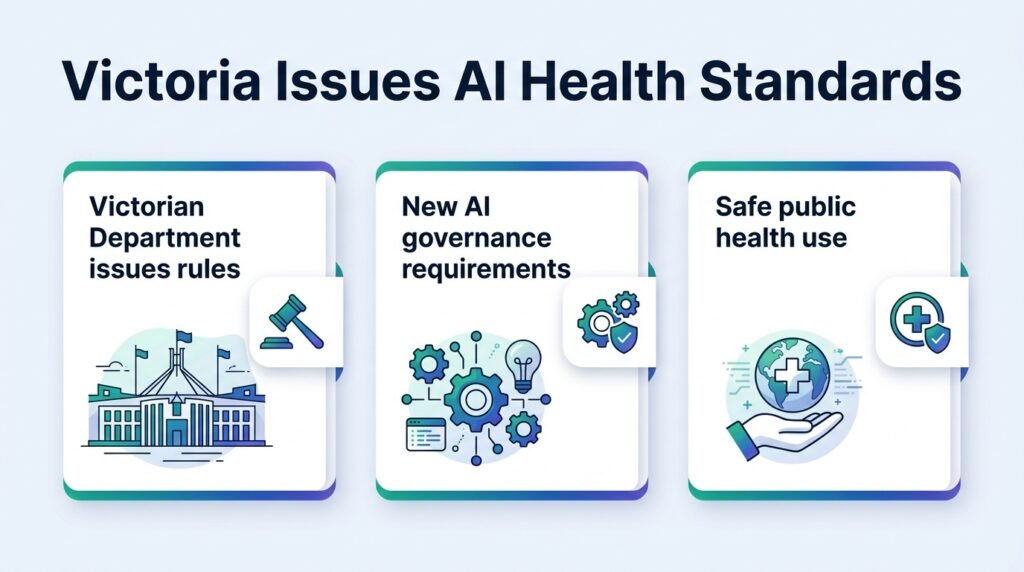
The Victorian Department of Health just drew a line in the sand for clinical AI. New governance standards aim to control how public health services deploy these tools.
It is a necessary reality check.
Nearly one-third of Australian healthcare practitioners already use AI daily for clinical documentation. But this rapid adoption has outpaced oversight. Clinicians are turning to unregulated generative AI tools simply to survive their shifts.
The Privacy Risk
Critics warn that rushing to deploy these tools risks patient data privacy. Without strict guardrails, sensitive medical histories could feed commercial algorithms.
The state’s safety watchdog previously warned staff against using tools like ChatGPT. The new rules try to formalize these boundaries. Yet, guidelines alone cannot fix the underlying issue of why doctors turned to these tools in the first place.
Papering Over Cracks
There is a deeper tension here. Some fear that AI is being positioned as a cheap band-aid for systemic staffing shortages and underfunded clinics.
Technology can draft notes, but it cannot replace a nurse. If regulators focus only on software compliance, they miss the broader crisis. AI should support clinicians, not substitute for a hollowed-out workforce.
Victoria’s move signals a shift from voluntary adoption to strict state-level accountability. Other jurisdictions will likely follow. But the real test is whether these standards protect patients or simply shield governments from the consequences of understaffing.
Regulators must ensure that efficiency does not come at the cost of clinical safety. These rules are a start, but the systemic issues remain.