Giving patients direct control over their digital care plans shifts the power dynamic in emergency medicine, but its success hinges entirely on system-wide integration.
For years, care plans for chronic or terminal conditions were documents written about patients, not by them. Doctors filled them out, filed them away, and hoped emergency crews could find them in a crisis. Now, London is bypassing the clinical gatekeepers.
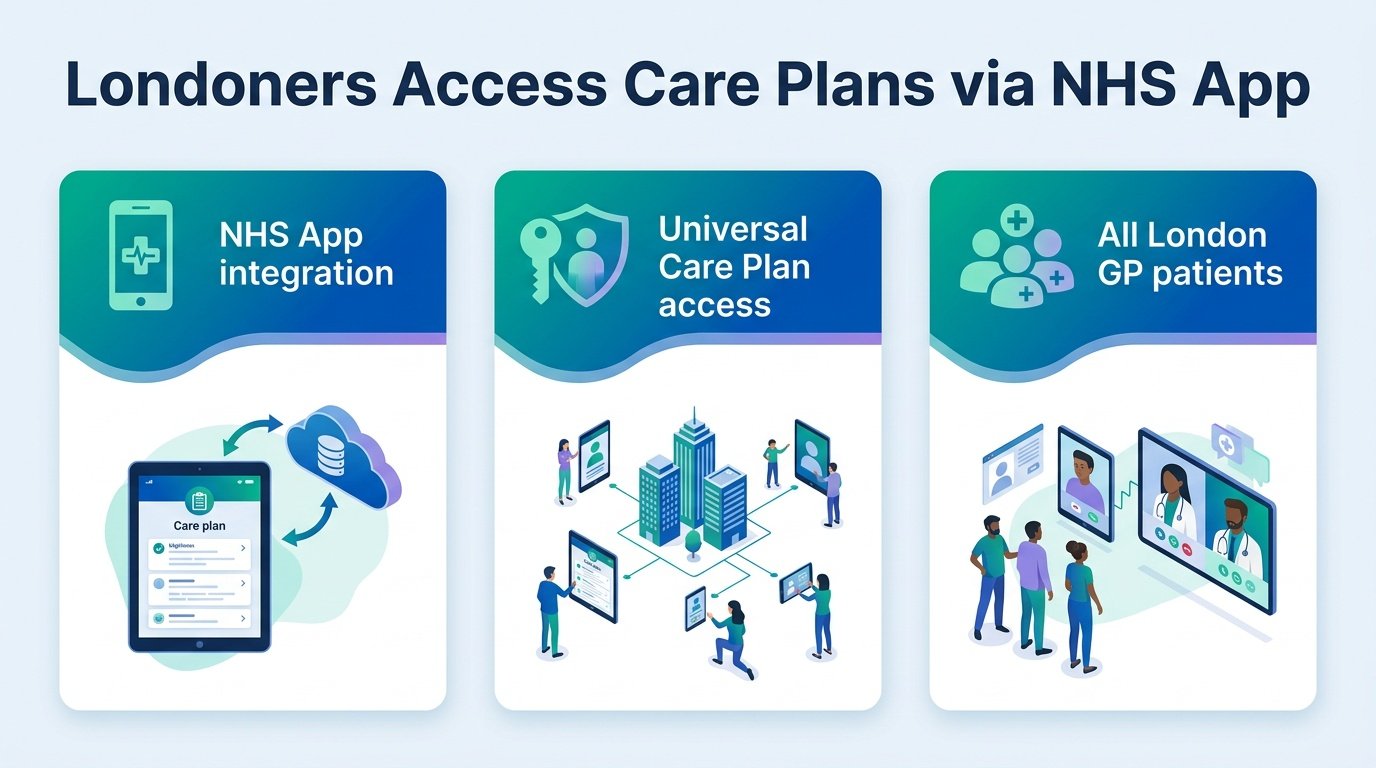
All patients registered with a London GP can now draft and edit their own Universal Care Plan directly through the NHS App. They can log daily support needs, carer contingency plans, and critical preferences for conditions like dementia or sickle cell disease.
The integration hurdle
This is not just a digital form. The data syncs with the London Care Record and the National Record Locator. This means paramedics, ER doctors, and social workers see the same file in real-time.
The goal is obvious: stop forcing vulnerable patients to repeat their histories during a crisis.
But putting the pen in the patient’s hand introduces new friction. Will clinicians trust self-reported data in a high-stakes emergency? If a patient changes their care preferences at midnight, how quickly does that update propagate across legacy hospital systems?
A test for digital health
The technology, powered by digital health provider Better and OneLondon, represents a shift toward patient autonomy.
However, the real test is not app downloads. It is whether emergency clinicians actually look at the screen before making a split-second decision. If they do, it could prevent unnecessary hospital admissions. If they do not, it is just another digital silo.