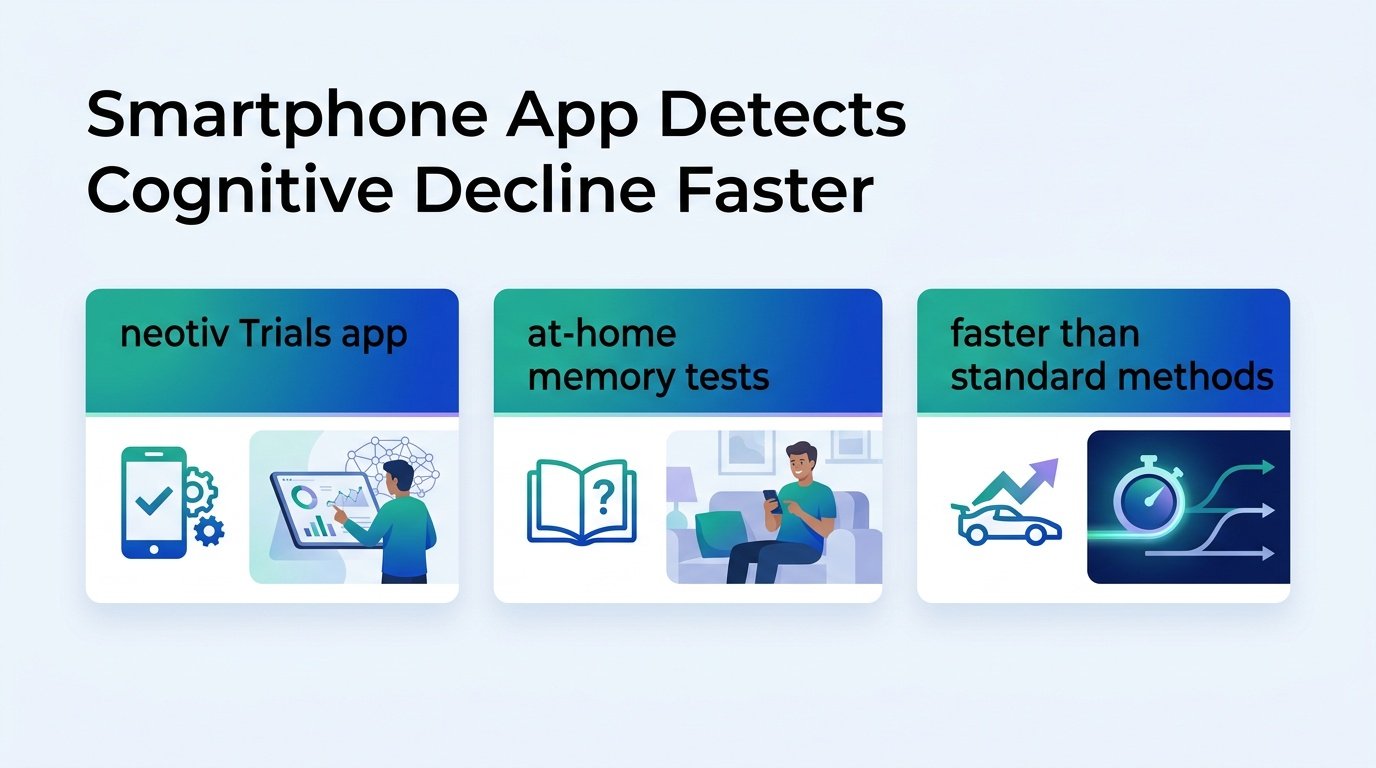
Moving dementia testing from annual clinic visits to daily smartphone check-ins could solve a massive bottleneck in clinical trials and early diagnosis.
Waiting a year for a doctor to notice cognitive decline is a failing strategy. By the time a patient shows obvious symptoms during an annual check-up, valuable windows for intervention have already closed.
Remote, self-administered memory tests on smartphones can spot subtle cognitive decline much faster than traditional, supervised methods. Using the neotiv Trials app, researchers tracked micro-changes in brain function directly from patients’ homes.
The clinical trial bottleneck
Dementia drug trials are notoriously slow and expensive. They rely on sporadic, in-person cognitive tests that are highly susceptible to temporary fluctuations in a patient’s performance.
Frequent, unsupervised digital testing flattens this noise. It captures real-world cognitive trends in real time. This speed is why pharmaceutical developers are already integrating these digital tools into their pipelines to evaluate new treatments.
The primary care gap
Currently, fewer than ten percent of mild cognitive impairment cases are detected in primary care. Most patients are diagnosed too late for emerging therapies to be highly effective.
If a smartphone app can flag early decline before a patient even notices a problem, it changes who gets access to treatment. It turns a reactive diagnostic system into a proactive screening network.
But digital testing has limits. Remote monitoring requires sustained patient compliance and digital literacy among older adults. Doctors must also figure out how to handle a flood of continuous data without overwhelming clinics. Still, the shift is clear. The future of neurology is moving out of the sterile clinic and into the patient’s pocket.