A new partnership aims to bring precision medicine to a disease long starved of reliable biomarkers.
Bladder cancer treatment has a persistent blind spot. Unlike breast or lung cancers that benefit from highly targeted genomic therapies, clinicians treating non-muscle invasive bladder cancer often operate without robust prognostic biomarkers.
This makes patient risk stratification an educated guessing game.
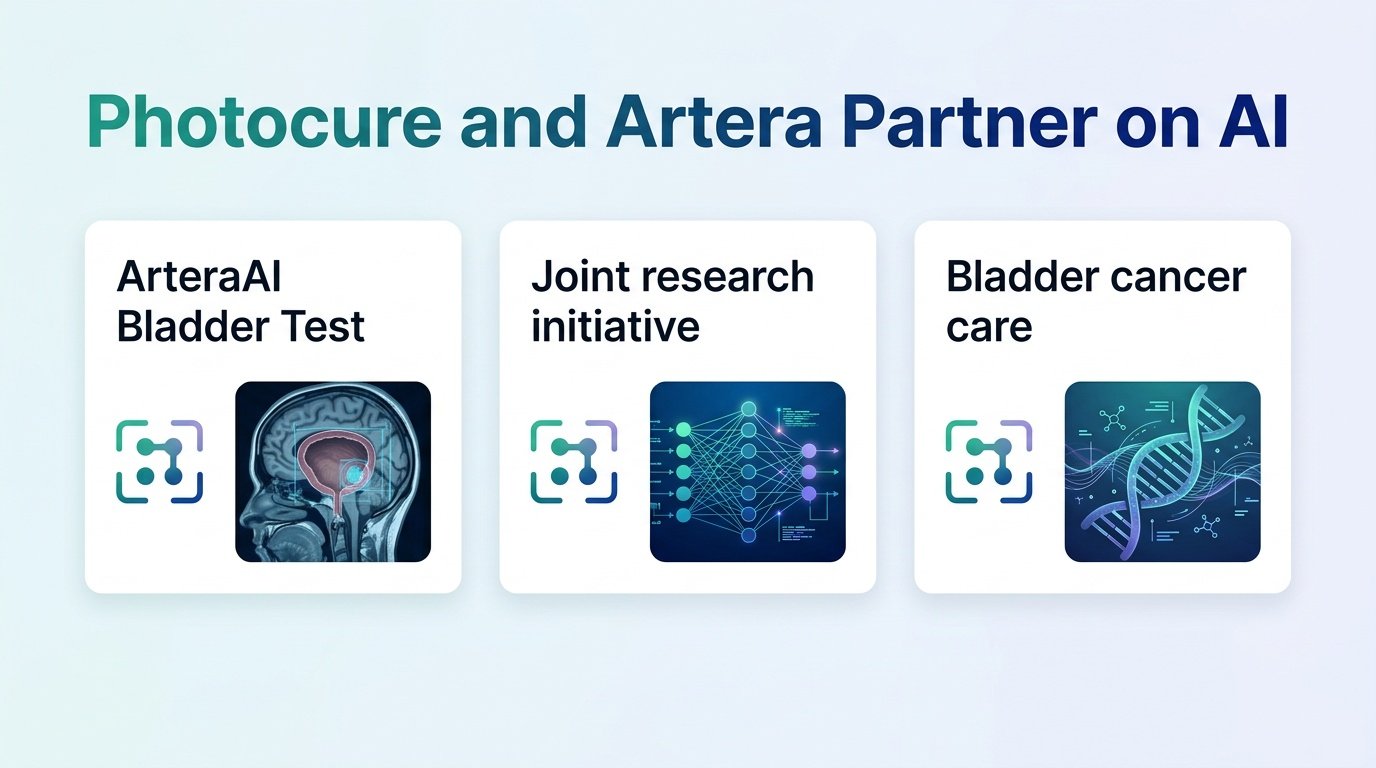
A new collaboration between Photocure and Artera aims to challenge this status quo. By validating an AI-powered digital pathology test, the partners want to bring precision diagnostics to a notoriously difficult disease space.
The Data Engine
The initiative will feed long-term clinical data from a registry of blue-light cystoscopy procedures into Artera’s multimodal AI models. The goal is to optimize histopathology biomarkers specifically for early-stage bladder cancer.
But data quality remains the ultimate gatekeeper.
Registry data is notoriously variable. While blue-light cystoscopy provides rich visualization, translating these real-world clinical records into standardized, predictive AI inputs is a steep technical hurdle. The AI must prove it can find signal in the noise of diverse clinical practices.
The Real Stakes
If successful, this move signals a broader shift in uro-oncology. Instead of relying solely on manual tumor grading, clinicians could use AI to predict how aggressively a tumor will behave.
This matters because over-treating bladder cancer burdens patients with invasive, costly surveillance. Under-treating allows aggressive disease to progress.
The industry is watching to see if Artera can replicate its established prostate cancer testing success in a trickier, biomarker-scarce environment. Success here would prove that multimodal AI can solve diagnostic gaps where traditional genomics have stalled.