Moving payment accuracy to the point of enrollment could finally end the costly game of retrospective insurance chasing.
Healthcare payers have long accepted a wasteful reality. They pay claims first, realize another insurer was responsible later, and then spend months clawing back the money. It is a reactive, expensive cycle driven by fragmented data.
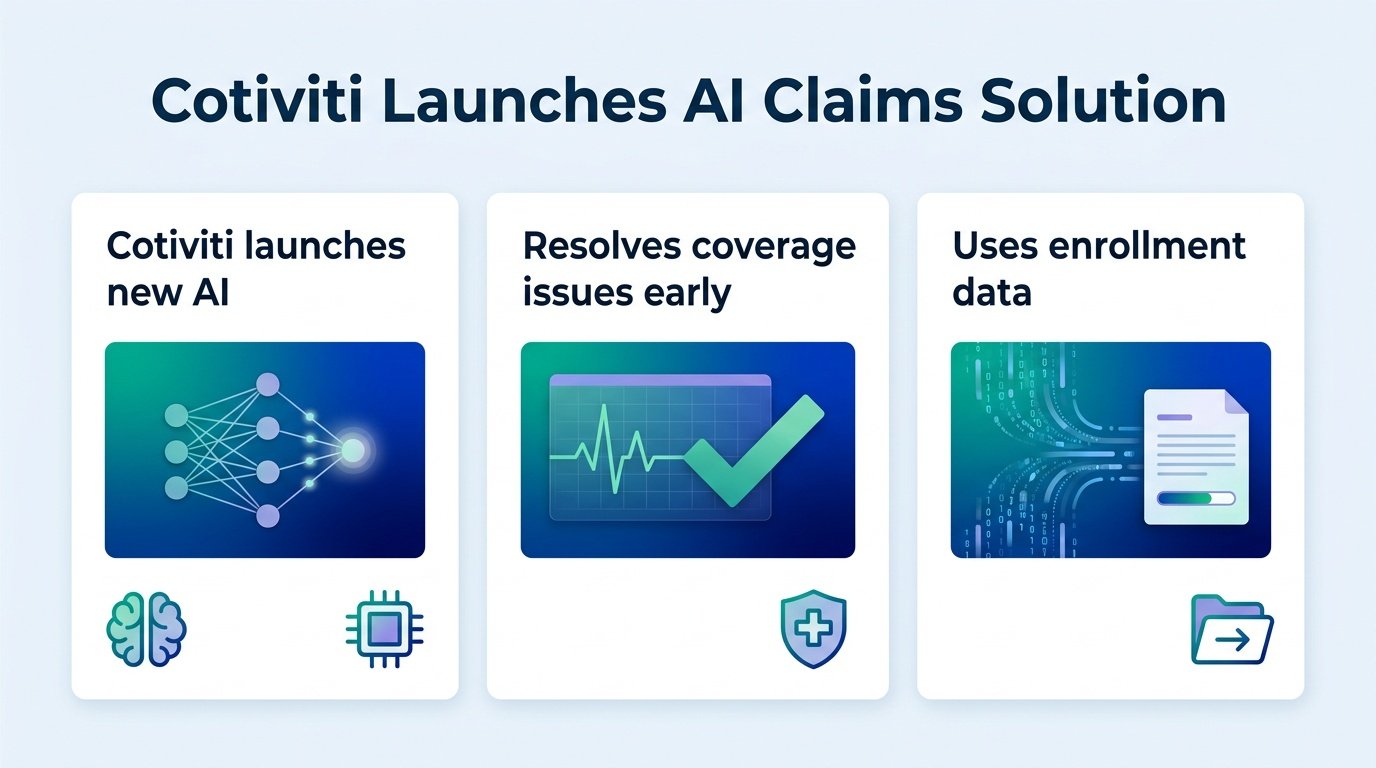
A new shift aims to move this battleground upstream. By deploying machine learning at the moment of member enrollment, payers are trying to determine benefit primacy before a single medical service is even delivered.
The Upstream Shift
The goal is to eliminate the administrative rework of post-payment recovery. Historically, coordination of benefits has been a manual headache. Insurers routinely duplicate efforts, leading to delayed payments for providers and confusing bills for patients.
By automating this check during onboarding, the industry hopes to bypass the pay-and-chase model entirely. Traditional methods rely on retrospective discovery, but catching coverage overlaps early prevents the dispute from ever occurring.
Resolving Information Asymmetry
This move signals a broader trend in healthcare operations. Technology vendors are positioning themselves as structural utility layers. They want to sit between payers and providers to resolve information gaps before they turn into billing disputes.
However, success depends entirely on data quality. Machine learning is only as sharp as its ingestion pipeline. If the underlying enrollment databases are not updated dynamically, proactive tools will still miss critical coverage changes.