A new startup is betting that conversational AI can bridge the dangerous information gap between doctor visits for chronic disease patients.
Chronic disease management suffers from a fundamental flaw. Doctors make critical treatment decisions based on episodic visits and unreliable patient recall.
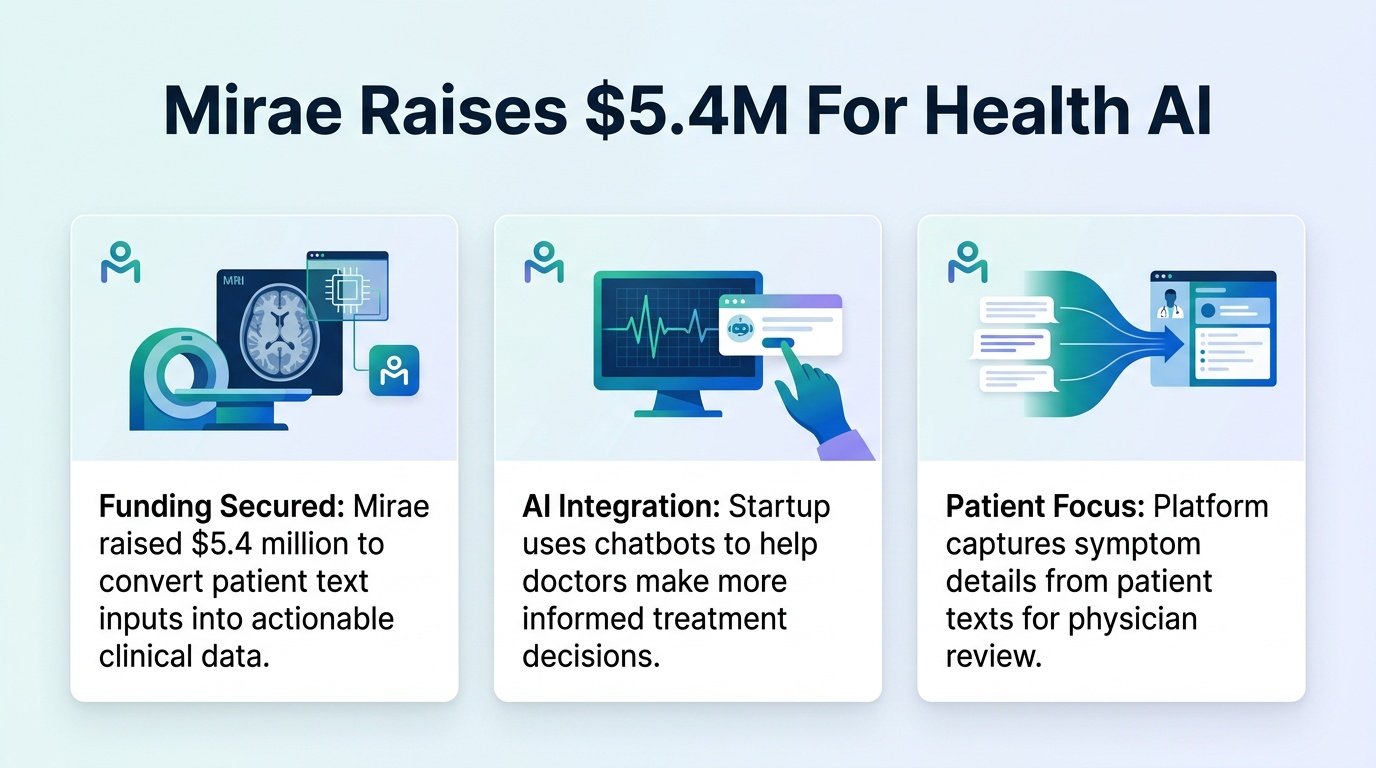
London-based startup Mirae wants to change this dynamic. The company just raised $5.4 million to turn casual patient text messages into structured clinical data.
The blindspot problem
For patients with chronic conditions like inflammatory bowel disease, symptoms fluctuate daily. When they finally see a specialist, summarizing months of pain or dietary triggers is nearly impossible.
Mirae’s platform uses conversational AI to gather these daily inputs. Instead of filling out rigid forms, patients simply chat. The AI then structures this messy, longitudinal data for clinicians.
This is not about replacing doctors with chatbots. It is about feeding doctors better data. If successful, it shifts chronic care from reactive crisis management to proactive adjustment.
The hurdles ahead
But translating casual text into clinically actionable insights is risky. Conversational AI must accurately categorize subjective patient descriptions without introducing bias. A patient’s casual text might mask subtle, worsening symptoms that a structured clinical index would catch.
Furthermore, integration remains a massive hurdle. Doctors are already overwhelmed by electronic health record alerts. If this tool simply adds more noise to their existing workflows, busy clinicians will ignore it.
Mirae is currently testing its technology with a major U.S. health system. Whether busy clinicians actually use this data to alter treatment plans—and whether it improves patient outcomes—remains the ultimate test.