
A federal whistleblower lawsuit alleging a massive cover-up of AI error rates challenges the narrative of seamless clinical automation.
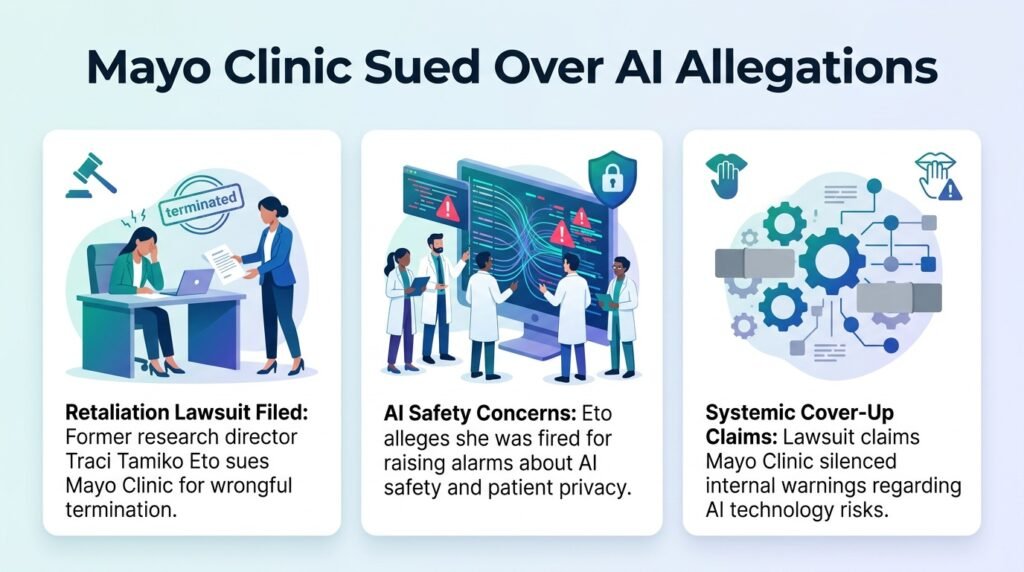
How safe is the artificial intelligence quietly entering modern hospitals? A federal lawsuit filed by a former research director against a major health system suggests the answer might be hidden behind retaliatory firings.
The litigation claims the organization bypassed institutional review boards and mishandled patient data. Most alarming is the allegation that administrators manipulated study results to hide a 67% error rate in its digital assistant, MAYA.
The Governance Illusion
This case exposes a systemic vulnerability in health tech. While institutions publicly champion responsible AI, internal guardrails can easily be bypassed when prestige is on the line. If these allegations are proven true, it means clinical AI tools are being deployed with virtually no independent oversight.
This is not just an HR dispute. It is a warning sign for the entire industry.
Hospitals are rushing to adopt automation to ease administrative burdens. But when speed overrides safety, the clinical consequences are severe.
The Trust Deficit
Hospital systems cannot treat AI like standard software updates. When a digital assistant fails two-thirds of the time, patient lives are directly at risk. The current lack of federal standards for clinical AI validation leaves patients and whistleblowers to police these systems themselves.
The defense maintains its commitment to safety and compliance. However, this legal battle will likely force a public reckoning over how healthcare giants validate their algorithms.
The era of self-policing in clinical AI is officially over.