Ambient clinical AI is no longer just a digital scribe; it is actively inserting itself into financial and medical decisions.
For years, healthcare AI focused on a single, exhausting chore: writing clinical notes. It was a passive listener designed to save doctors from keyboard burnout.
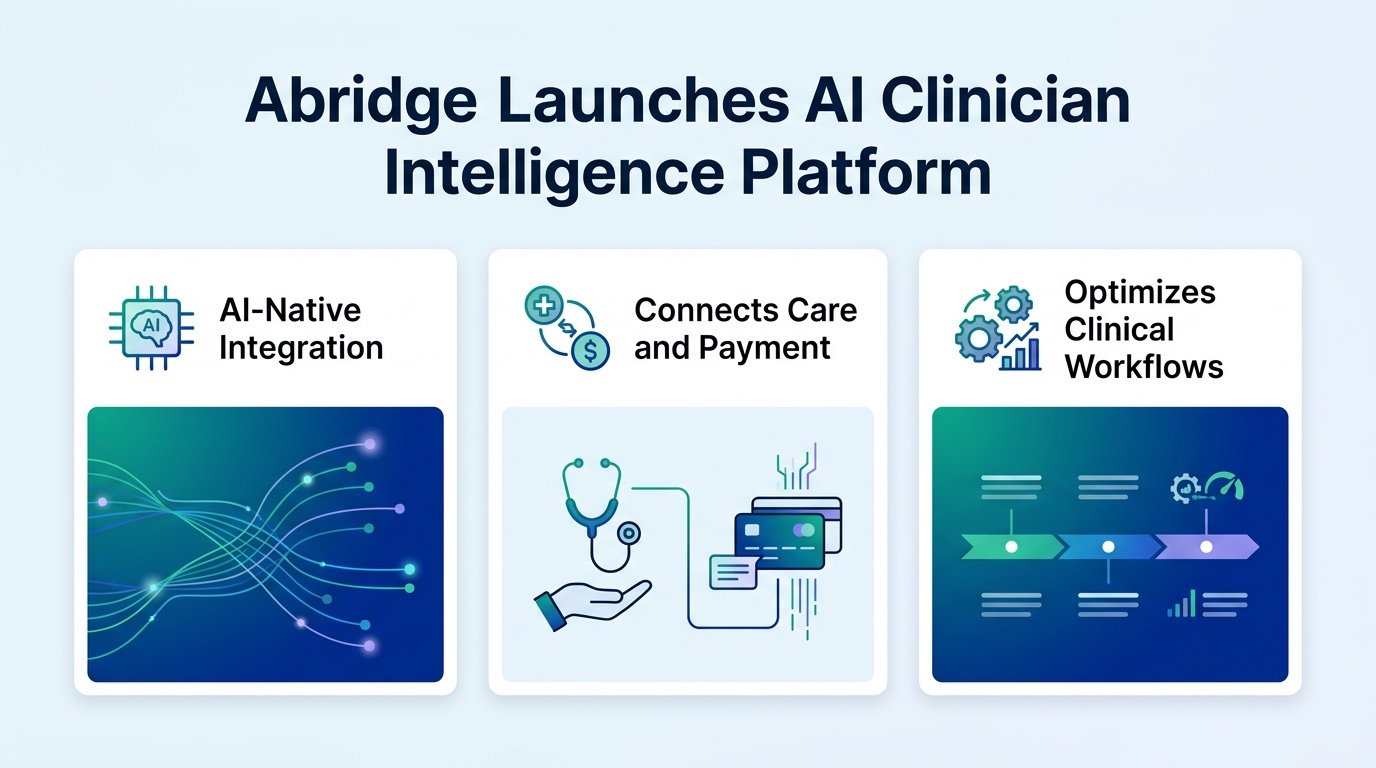
Now, the technology is stepping out of the background. By integrating real-time clinical guidelines and insurance data directly into the patient visit, AI is shifting from a passive scribe to an active operational hub.
The Active Shift
A system-wide rollout at Northwestern Medicine highlights this transition. Instead of just summarizing a conversation, the platform pulls in evidence-based data and connects directly with payers like Aetna and Cigna.
This means billing and prior authorizations are addressed during the visit, not days later.
It is a logical evolution, but it introduces new friction.
The New Risks
When AI suggests treatment pathways and billing codes in real time, the line between clinical autonomy and algorithmic nudging blurs. Doctors may find themselves negotiating with an algorithm about insurance coverage while the patient is still in the room.
If these platforms prioritize payer rules over complex patient needs, they risk institutionalizing bureaucratic hurdles rather than solving them.
The industry must watch this closely. The success of this shift depends on whether clinicians control the tool, or if the tool quietly dictates the care.