Throwing money at healthcare algorithms is easy, but proving they actually save clinical time is where the real battle begins.
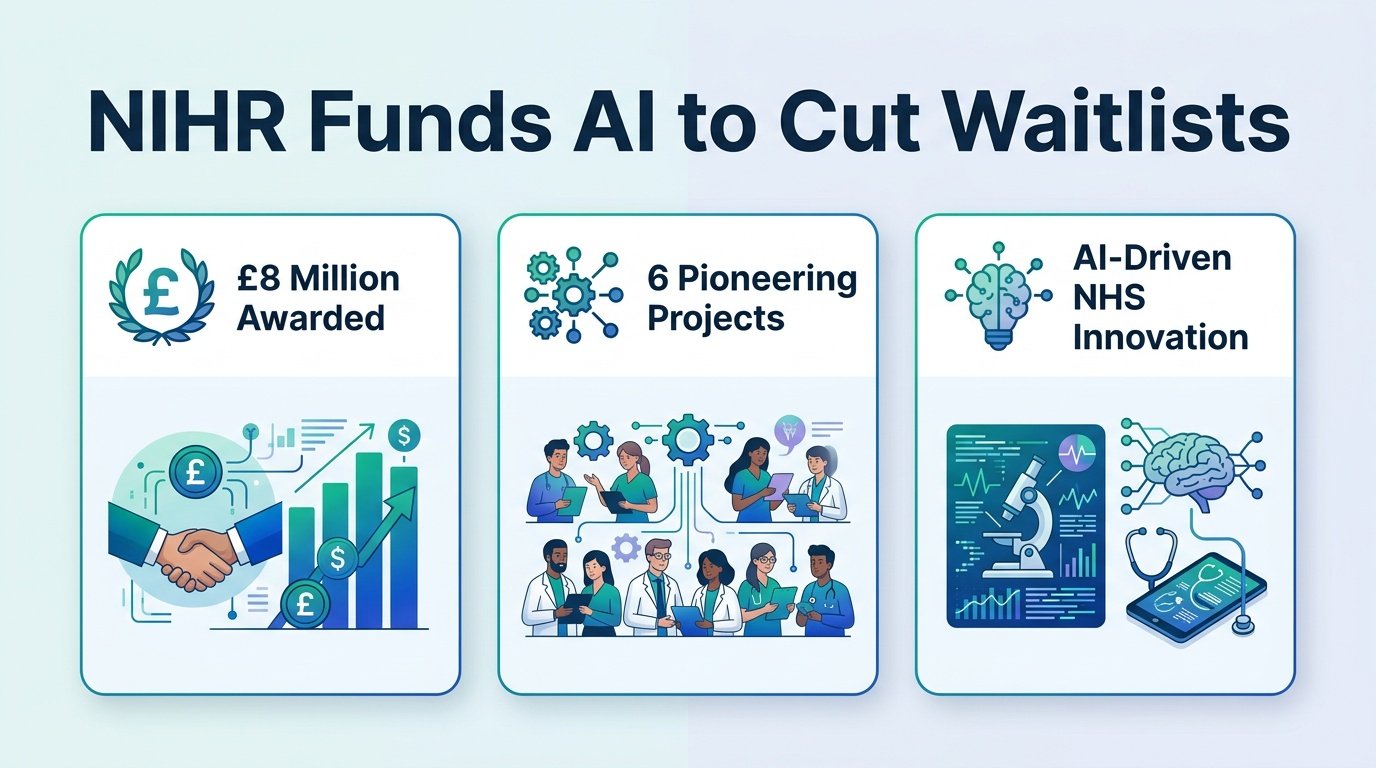
The NHS is trapped in a cycle of winter crises and swelling waiting lists, and the latest survival strategy relies heavily on digital triage. A new £8.1 million funding injection is backing six pilot projects to test AI-driven CT scans and symptom-prioritizing tools. This is not just another tech procurement exercise. It is a calculated attempt to gather the hard, real-world clinical evidence that healthcare AI desperately lacks.
The evidence bottleneck
For years, health tech has promised rapid efficiency gains. Yet, hospital corridors remain clogged. The bottleneck is rarely the technology itself. It is the integration into messy, analogue workflows.
Projects like Oxford’s SAMURAI-CT must prove they can safely speed up diagnostics without creating extra work for exhausted clinicians. If these tools merely flag more anomalies for human review, they risk worsening the backlog rather than clearing it. True efficiency requires algorithms that can autonomously make safe, low-risk decisions.
A systemic shift
This pilot is part of a broader £30 million government push to digitize the state healthcare system. The stakes are incredibly high as winter backlogs loom.
Success will not be measured by how many algorithms are deployed. It will be measured by whether they can safely divert patients away from emergency departments and speed up routine discharges.
If these trials fail to produce clear safety and efficacy data, the transition will stall. The NHS cannot afford to trade its paper-based bottlenecks for digital ones.