A patient’s survival in the ICU may depend on how quickly clinicians can spot silent, ongoing seizures in the brain.
How long can a brain suffer silent damage before the injury becomes permanent? In intensive care units, non-convulsive seizures often go unnoticed because traditional EEG setups require specialized technicians who are rarely available overnight. This diagnostic delay costs lives and cognitive function.
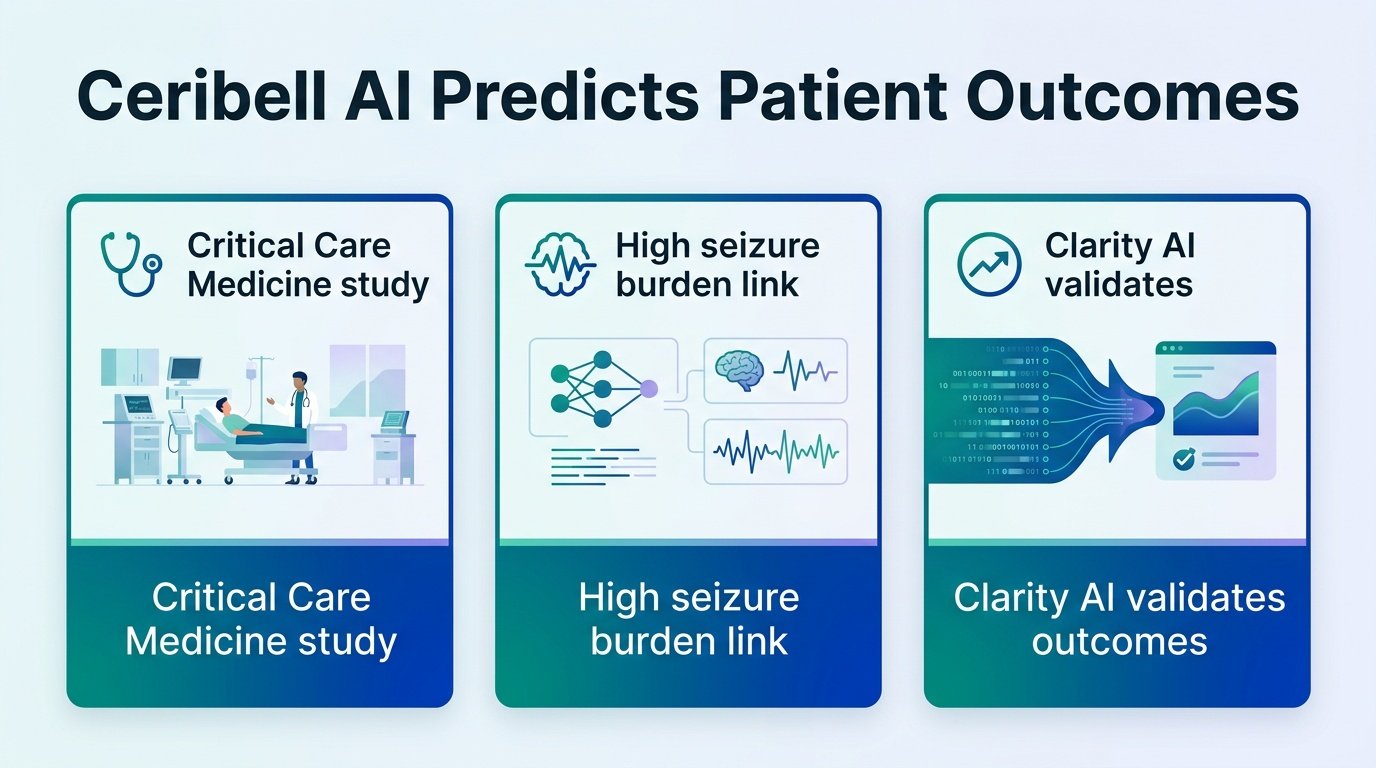
Recent clinical data validating Ceribell’s Clarity AI algorithm reveals a direct link between AI-measured seizure burden and severe disability or death at discharge. This shifts the technology from a convenient screening tool to a stark prognostic indicator. The clinical reality is that conventional EEG is too slow for emergencies. Waiting hours for a specialist setup means leaving the brain unprotected. By utilizing real-time, AI-guided neurodiagnostics, institutions like Stanford Hospital are attempting to bypass this bottleneck.
The bottleneck of adoption
While the algorithm provides rapid data, its real-world success depends entirely on human integration. Some hospitals report that clinical uptake stalls without intensive physician training. An algorithm can flag a crisis, but the hospital workflow must be fast enough to act on it. If staff cannot interpret or trust the automated alerts, the technology remains an expensive bedside ornament.
Why this matters
This shifts point-of-care EEG from a luxury resource-saver to a clinical standard. Previous data showed this tech could cut ICU stays by over four days. Now, the direct link to patient mortality means failing to adopt rapid neuro-diagnostics is becoming a patient safety issue. Hospitals facing critical staffing shortages must decide if they can afford to keep relying on scarce specialists for basic triage.