
Research Overview
Can smartwatches and smartphones assist in identifying early signs of neurological or mental health issues? A study conducted by researchers at the University of Geneva (UNIGE) explored this question by monitoring participants who wore connected devices. The study utilized artificial intelligence (AI) to analyze various data points, including:
- Heart rate
- Physical activity
- Sleep patterns
- Air pollution levels
The results indicated that these connected devices can effectively predict fluctuations in emotional and cognitive health, paving the way for early detection of brain health changes.
Study Details
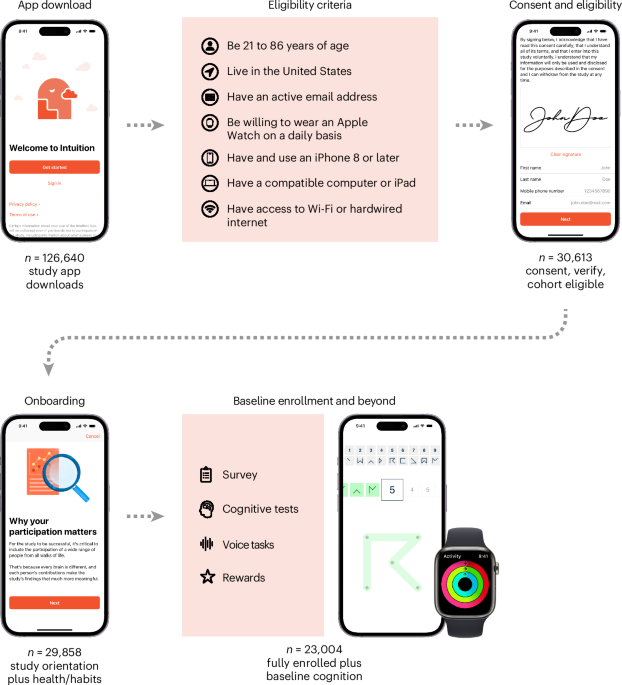
The research involved 88 volunteers aged between 45 and 77, who used a dedicated smartphone app and smartwatch over a ten-month period. The devices collected passive data without altering the participants’ daily routines. In total, 21 indicators were analyzed, and participants provided active data through questionnaires and cognitive performance tests every three months.
AI Analysis
After data collection, the passive data was analyzed using AI developed for the project. The goal was to assess whether AI could predict cognitive and emotional health fluctuations based on the collected data. The AI predictions were compared with the results from the questionnaires and tests, revealing an average error rate of just 12.5%. This suggests significant potential for using connected devices in early detection of brain health issues.
Findings
The study found that:
- Emotional states were predicted with higher accuracy, showing error rates between 5% and 10%.
- Cognitive states had a lower prediction accuracy, with error rates ranging from 10% to 20%.
- Key factors influencing cognitive health included air pollution, weather conditions, daily heart rate, and sleep variability.
- For emotional states, the most significant factors were weather, sleep variability, and heart rate during sleep.
Future Directions
The research, supervised by Prof. Katarzyna Wac and Prof. Matthias Kliegel, is part of a larger project aimed at understanding brain health. The next phase will extend data collection to 24 months, focusing on individual characteristics that influence AI model performance, enhancing the applicability of these findings in real-world scenarios.