⚡ Quick Summary
This study outlines a randomized controlled trial to evaluate the efficacy of Digital Cognitive Behavioral Therapy for Insomnia (DCBT-I) in cancer pain patients suffering from insomnia. The trial aims to demonstrate that DCBT-I is superior to traditional sleep hygiene education in improving sleep quality and overall well-being.
🔍 Key Details
- 📊 Participants: 158 cancer pain patients with insomnia
- ⚖️ Comparison: DCBT-I vs. Sleep Hygiene Education (1:1 randomization)
- 🧠 Focus Areas: Sleep quality, pain intensity, mental health, quality of life
- 📱 Intervention: Resleep smartphone-based application integrating evidence-based CBT-I components
- 🗓️ Registration: Chinese Clinical Trial Registry (ChiCTR2500096855)
🔑 Key Takeaways
- 💡 Insomnia is a prevalent issue among cancer patients, impacting their quality of life.
- 🛌 CBT-I is the first-line treatment for insomnia but faces accessibility challenges.
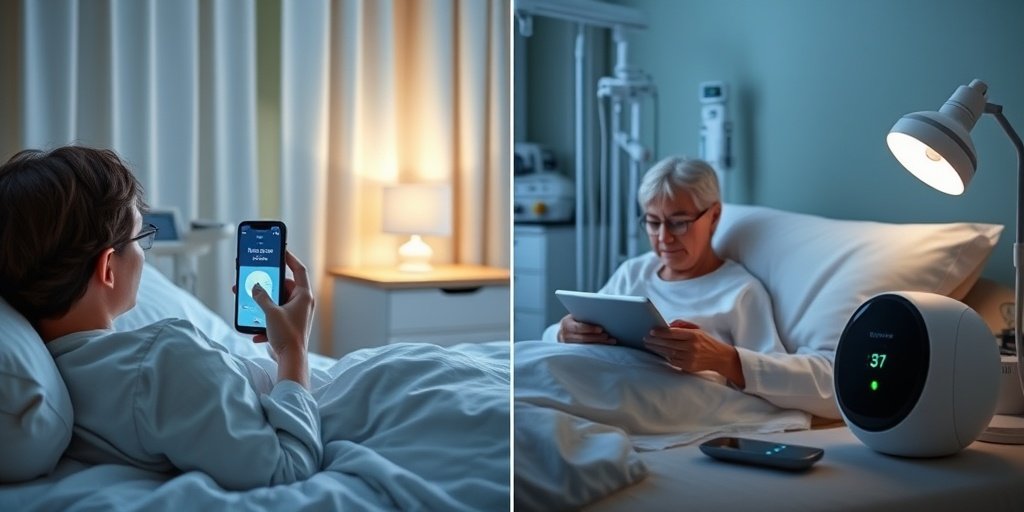
- 📲 DCBT-I leverages digital technology to overcome barriers associated with traditional therapy.
- 🏥 The trial aims to provide clinical evidence supporting DCBT-I as an effective treatment option.
- 🌐 The study contributes to the growing body of research on non-pharmacological treatments for insomnia.
- 📈 Expected outcomes include improvements in sleep quality, pain management, and mental health.
- 🔍 The study is registered and adheres to rigorous clinical trial standards.
📚 Background
Insomnia is a common complication faced by cancer patients, often exacerbating their overall health challenges. Traditional treatments, such as Cognitive Behavioral Therapy for Insomnia (CBT-I), have proven effective but are limited by factors such as geographical accessibility, physical conditions, and cost. The advent of digital health solutions presents an opportunity to enhance the delivery of CBT-I, making it more accessible to those in need.
🗒️ Study
This prospective, randomized controlled trial will take place at a single center, involving 158 cancer pain patients diagnosed with insomnia. Participants will be randomly assigned to receive either DCBT-I or sleep hygiene education. The study will assess various outcomes, including sleep quality, pain intensity, mental health, and overall quality of life, providing a comprehensive evaluation of the intervention’s effectiveness.
📈 Results
The anticipated results of this trial are significant. It is expected that DCBT-I will demonstrate a marked improvement in sleep quality compared to sleep hygiene education. Additionally, improvements in pain intensity and mental health metrics are also anticipated, highlighting the multifaceted benefits of this digital intervention for cancer pain patients.
🌍 Impact and Implications
The findings from this study could have profound implications for the treatment of insomnia in cancer patients. By validating the efficacy of DCBT-I, healthcare providers may be able to offer a non-pharmacological alternative that is both effective and accessible. This could lead to improved patient outcomes, reduced reliance on medications, and a better quality of life for those battling cancer.
🔮 Conclusion
This study represents a significant step forward in addressing insomnia among cancer pain patients through the use of digital technology. By rigorously evaluating DCBT-I, we may uncover a powerful tool that enhances sleep quality and overall well-being. The integration of such innovative therapies into clinical practice could transform the landscape of cancer care, paving the way for more holistic treatment approaches.
💬 Your comments
What are your thoughts on the potential of digital therapies in managing insomnia for cancer patients? We invite you to share your insights and engage in a discussion! 💬 Leave your comments below or connect with us on social media:
Digital Cognitive Behavioral Therapy for Insomnia in Cancer Pain Patients: Protocol for a Prospective, Randomized Controlled Trial.
Abstract
INTRODUCTION: Insomnia is one of the most common complications in cancer patients, and Cognitive Behavioral Therapy for Insomnia (CBT-I) is the first-line treatment for insomnia in the general population and patients with a cancer diagnosis. Traditional CBT-I is susceptible to limitations such as geography, physical condition, and cost of access to healthcare, hindering its widespread adoption. With the application and development of digitalization and artificial intelligence providing opportunities for the administration and promotion of Digital Cognitive Behavioral Therapy for Insomnia (DCBT-I) to provide a better sleep treatment option for cancer pain patients, this study aims to evaluate its efficacy.
METHODS: This single-center trial will randomize 158 cancer pain patients with insomnia to DCBT-I or sleep hygiene education (1:1) to test if DCBT-I is superior for improving sleep quality. Assessments will also cover pain intensity, mental health, and quality of life.
DISCUSSION: This study will provide valuable clinical evidence that DCBT-I helps to improve sleep quality, pain intensity, mental health, and quality of life in cancer pain patients suffering from insomnia and contributes to the dissemination of this non-pharmacological alternative treatment option.
CONCLUSION: This study protocol outlines a rigorous randomized controlled trial to evaluate the efficacy of Digital Cognitive Behavioral Therapy for Insomnia (DCBT-I) compared to Sleep Hygiene Education (SHE) in cancer pain patients with comorbid insomnia. The Resleep smartphone-based intervention integrates evidence-based CBT-I components (sleep restriction, stimulus control, cognitive restructuring, and relaxation training) to address the limitations of traditional therapy, such as accessibility and cost.
CLINICAL TRIAL REGISTRATION: This study is a registered clinical trial.
REGISTRY: Chinese Clinical Trial Registry (ChiCTR), listed in the WHO International Clinical Trials Registry Platform (WHO ICTRP).
TRIAL REGISTRATION NUMBER: ChiCTR2500096855.
DATE OF REGISTRATION: 07 February 2025.
REGISTRATION URL: https://www.chictr.org.cn/index.html.
Author: [‘Lan X’, ‘Hu X’, ‘Lan Z’, ‘Wang L’, ‘He R’, ‘Jiang Z’]
Journal: J Pain Res
Citation: Lan X, et al. Digital Cognitive Behavioral Therapy for Insomnia in Cancer Pain Patients: Protocol for a Prospective, Randomized Controlled Trial. Digital Cognitive Behavioral Therapy for Insomnia in Cancer Pain Patients: Protocol for a Prospective, Randomized Controlled Trial. 2025; 18:7053-7063. doi: 10.2147/JPR.S556779