
Overview
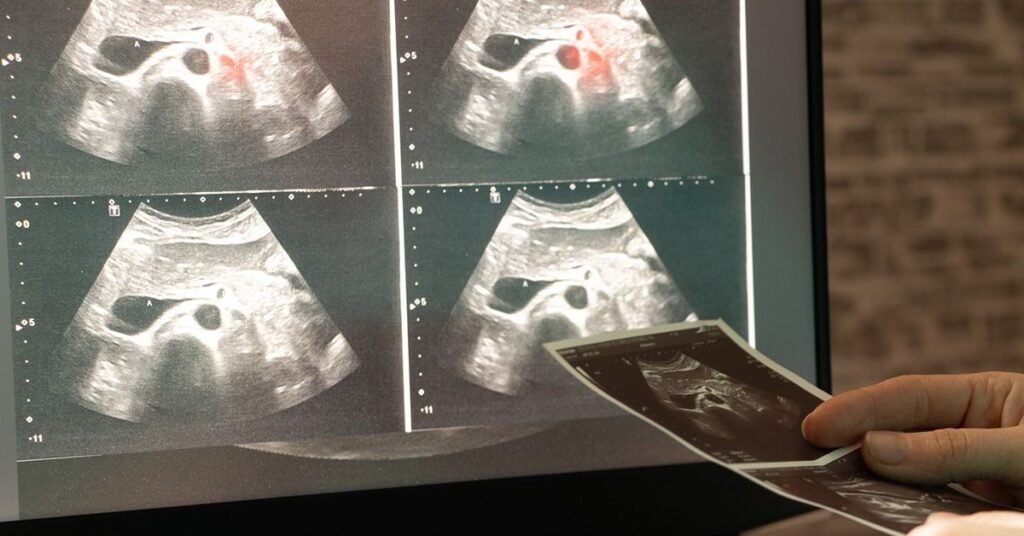
A recent development in artificial intelligence (AI) has led to the creation of a new tool that significantly improves the efficiency of medical imaging processes. This tool, named MetaSeg, has demonstrated a remarkable capability to perform medical image segmentation with a reduction in resource requirements.
Key Features of MetaSeg
- Efficiency Improvement: MetaSeg achieves the same performance as traditional U-Nets while utilizing 90% fewer parameters.
- Data Requirements: The tool requires significantly less data for training, making it more accessible for medical professionals.
- Innovative Approach: It employs implicit neural representations (INRs) to interpret medical images, allowing for detailed segmentation without extensive data sets.
Research Insights
Conducted by researchers at Rice University, the study was presented at the Medical Image Computing and Computer Assisted Intervention Society (MICCAI) conference, where it received the best paper award from over 1,000 submissions. The research highlights include:
- The traditional method of medical image segmentation involves manual labeling of each anatomical part, which is time-consuming.
- MetaSeg utilizes a meta-learning strategy that enables rapid adaptation to new images, enhancing its segmentation capabilities.
- The tool’s architecture allows it to decode image features into accurate anatomical labels efficiently.
Future Implications
According to Guha Balakrishnan, an assistant professor at Rice, MetaSeg presents a scalable solution to medical image segmentation, potentially reducing costs while maintaining high performance. This advancement could lead to faster and more accurate diagnoses in clinical settings.
Conclusion
MetaSeg represents a significant step forward in the integration of AI in medical imaging, promising to streamline processes and improve patient care.